

Trial advocacy has always been central to legal training, but its scope is rapidly expanding. As courtrooms evolve, technology reshapes litigation and the bar exam places greater weight on practical skills, law schools are rethinking how they prepare students for life in front of a judge and jury. From immersive trial simulations and national competitions to e-discovery training and AI-assisted instruction, advocacy programs are blending tradition with innovation. The following updates highlight how law schools are strengthening trial advocacy education while adapting to the realities of modern practice.
The following law schools earned a place on our Trial Advocacy Honor Roll, recognized for the strength of their programs. Following the list, you’ll find the latest developments and news from trial advocacy programs at these various law schools.
Top law schools for trial advocacy
The University of Arizona James E. Rogers College of Law’s Thomas Mauet Trial Advocacy Program spent its first year in its newly constructed, state-of-the-art courtrooms. The 100% donor-funded renovations have enabled students to hone their advocacy skills in a realistic and immersive setting, bridging the gap between classroom learning and real trial experiences. Last spring, Arizona Law students in Advanced Trial Advocacy class focused on the importance of jury selection in both state and federal courts — particularly now that Arizona has eliminated all peremptory challenges in the state courts.

Lewis & Clark Law School partnered with Oregon Public Broadcasting to launch the Public Records and Government Transparency Project, a first-of-its-kind initiative offering classroom instruction and hands-on legal training for students while supporting journalists and media organizations seeking access to public records. In Fall 2025, law students began working under the supervision of practicing attorneys and OPB legal counsel to navigate Oregon’s public records system, assist with legal research, government engagement and petition drafting, and help remove barriers to transparency and accountability.
Benjamin N. Cardozo School of Law, Yeshiva University had 52 students sharpen their courtroom skills at the 42nd annual Intensive Trial Advocacy Program, a two-week course held each January. Under the guidance of more than 75 jurists and practicing attorneys, students learned litigation strategies, conducted mock trials and received one-on-one feedback in direct and cross-examination, jury selection and evidentiary issues.
Stetson University College of Law is expanding its leadership in advocacy education as practical lawyering skills take on greater importance under the NextGen Bar Exam. Through its Center for Advocacy Education, Stetson Law is integrating AI-assisted training tools into advocacy instruction, including classroom applications and simulated exercises. Recent initiatives include a partnership with the American Arbitration Association to develop an online arbitration course that uses generative AI to support structured advocacy practice, as well as expanded outreach programs that introduce advocacy and civic engagement to high school and undergraduate students.
New York Law School’s Harris Keenan & Goldfarb Advocacy Program provides students with comprehensive training in trial and appellate advocacy through classroom instruction, simulation-based exercises and competition opportunities to prepare students for courtroom practice, with an emphasis on writing, oral advocacy and professional judgment that supports careers in litigation and dispute resolution.
American University Washington College of Law’s Stephen S. Weinstein Advocacy Program continues to expand its focus on modern litigation skills. Litigating in the Digital Age: e-Discovery, taught by Adjunct Professor Delante Stevens, introduces students to the legal, strategic and ethical challenges surrounding electronically stored information in litigation and investigations. Students practice managing ESI, developing discovery workflows and navigating issues raised by data sources and emerging technologies, including generative AI.
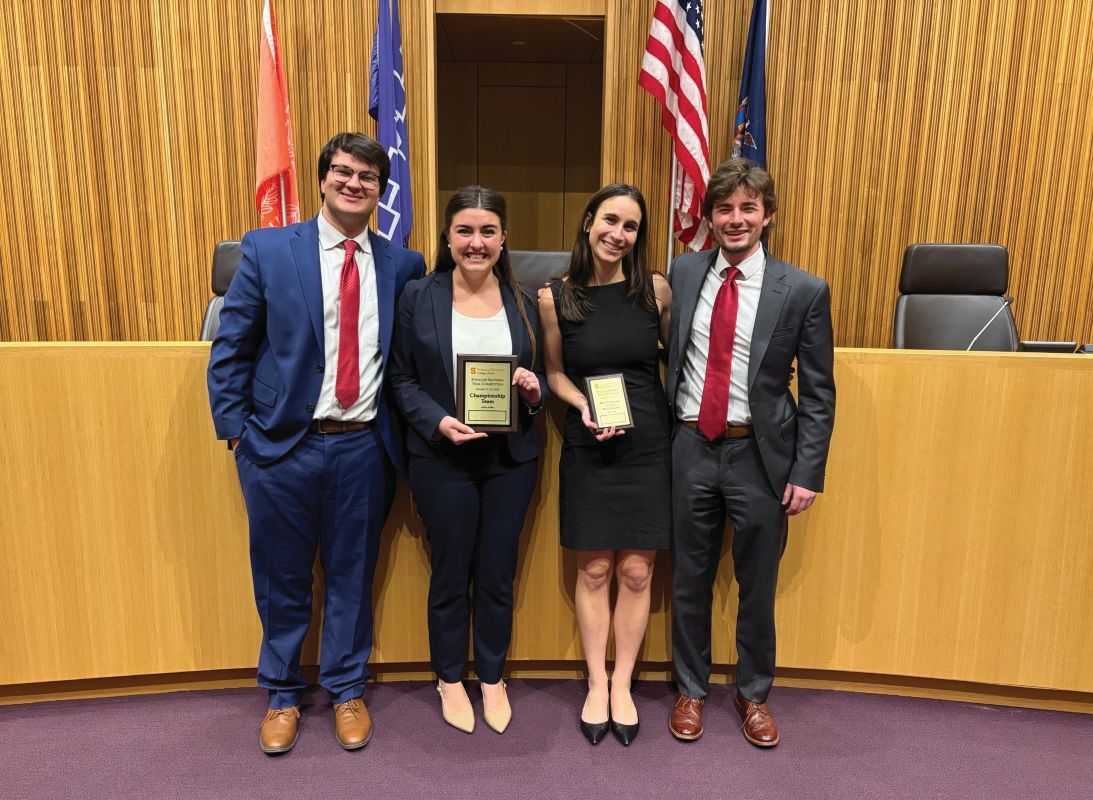
Temple University – James E. Beasley School of Law’s advocacy training increasingly reflects the realities of modern practice. Advanced Trial Advocacy: Technology and Online Advocacy, taught by Professor Elizabeth Lippy ’03, focuses on online hearings, courtroom presentation software and the ethical use of AI in trial practice. The school’s Appellate Litigation Clinic, led by Professor Mary Levy ’00 in partnership with the Tucker Law Group, gives students the opportunity to represent clients before the Pennsylvania Superior Court and the Third Circuit Court of Appeals.
Loyola University New Orleans College of Law’s Danny and Mary Becnel Trial Advocacy Program earned national recognition when its deposition team won first place at the National Deposition Competition in November 2025 at Syracuse University. Team members Joleen Dacula, Florenta Fischman and Alex Smith were coached by Trial Advocacy Board members Hampton Creel and Carianne Brown, with support from practice team members Zoe Toups, Jack Matt and David Clement. All competing students are enrolled in Loyola New Orleans’ evening J.D. program.
Sandra Day O’Connor College of Law at Arizona State University continues to expand training. Students in ASU Law’s First Amendment Clinic recently helped secure the repeal of unconstitutional panhandling ordinances in Glendale, Arizona, working with the ACLU of Arizona and Public Justice on litigation that included identifying plaintiffs, drafting the complaint and preparing a motion for preliminary injunction. The Civil Litigation Clinic has also launched a new medical-legal partnership with pediatric providers to represent families of children with complex medical needs, including guardianship proceedings as youth approach adulthood.
Methodology
preLaw magazine grades law schools based on the breadth of their curricular offerings. The scores are figured as follows: 30% for a concentration, 24% for a clinic, 12% for a center, 12% for an externship, 9% for a journal, 8% for a student group, 5% for a certificate and added value for additional offerings.
Want to see more rankings? Click here to explore all law school rankings!
