

Health law sits at the intersection of patient care, public policy and business. These schools prepare students through medical-legal partnerships, health care transactions, regulatory compliance and public health advocacy, giving them hands-on experience tackling the legal challenges shaping today’s health care system.
The following law schools earned a place on our Health Law Honor Roll, recognized for the strength of their programs. Following the list, you’ll find the latest developments and news from health law programs at these various law schools.
Top law schools for health law
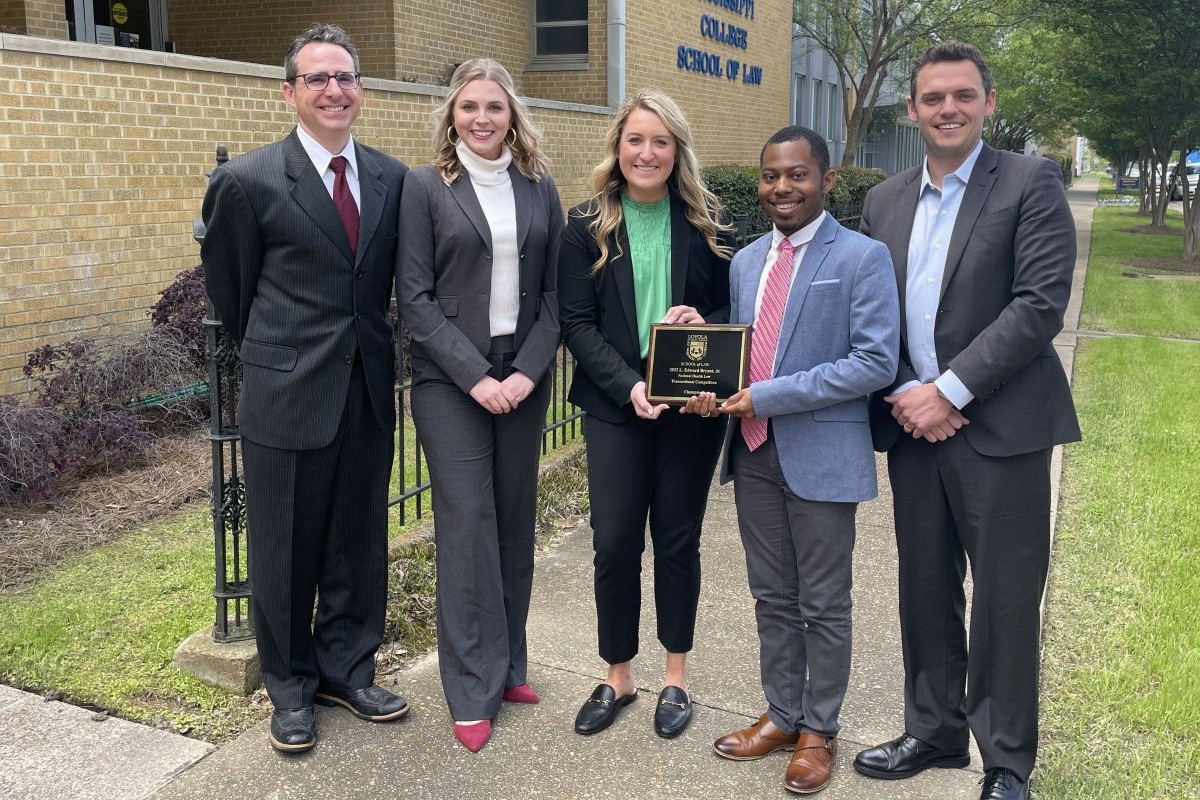
Mississippi Christian University School of Law launched a new Mergers & Acquisitions simulation course this spring, giving students hands-on experience with the legal complexities of health care transactions. Co-taught by Health Law Program Director Jonathan Will and Baker Donelson attorney McKenna Cloud, a graduate of the school’s Health Law Certificate Program, the course immerses students in drafting agreements, conducting due diligence, negotiating deals and responding to the fast-paced challenges common in mergers and acquisitions. By replicating real-world health care transactions, the course prepares students for the transactional side of health law practice.
University of Utah S.J. Quinney College of Law launched a new Mental Health Legal Clinic this year, giving students hands-on experience serving patients through a medical-legal partnership with the Huntsman Mental Health Institute’s Crisis Care Center. Under faculty supervision, students work directly with clients to address civil legal issues that affect their health, including housing, public benefits, employment and family law. Students interview clients, conduct legal and factual research, develop advocacy strategies, provide legal counseling and engage in written and oral advocacy while helping patients resolve legal challenges that can impact their mental health and overall well-being.
University of Wisconsin Law School‘s Center for Patient Partnerships, one of the nation’s first medical-legal partnerships, gives students hands-on experience helping clients overcome legal barriers to health care. Through the Health Justice Clinic, students represent clients facing insurance denials, disability benefits disputes and medical debt while collaborating with students in pharmacy, genetic counseling and social work to develop interdisciplinary solutions. Students also contribute to policy advocacy, legal scholarship and technology initiatives that expand access to care. Their work delivers tangible results, including successful insurance appeals that help patients obtain medically necessary treatment while saving thousands of dollars in health care costs.
Loyola University Chicago School of Law‘s Health Justice Project gives students firsthand experience addressing the legal issues that affect patients’ health and well-being through an interdisciplinary medical-legal partnership. Working alongside attorneys, health care providers and social workers, students represent vulnerable clients in matters involving housing, public benefits, disability and consumer debt while helping remove barriers to health care. During one recent case, students helped an elderly client secure safer housing, obtain public benefits and escape dangerous living conditions before her apartment building partially collapsed. Through its partnerships with Loyola Medicine, Legal Aid Chicago and other community organizations, the Health Justice Project prepares students to advocate for clients with deeply connected legal and health care needs.
Case Western Reserve University School of Law‘s Health Law Clinic gives students hands-on experience representing clients in Social Security disability and other health law matters while leading hearings and working directly with clients. Students also serve the community through initiatives such as Pop-Up Wills Clinics, helping individuals prepare wills, powers of attorney and other essential legal documents. Beyond the clinic, students expand their experience through externships with organizations including the U.S. Department of Health and Human Services, the Centers for Disease Control and Prevention, Cleveland Clinic and University Hospitals, preparing them for careers across the health care sector.
Northeastern University School of Law‘s Public Health Advocacy Institute launched Family and Friends of Gamblers this year to address the growing public health impact of gambling addiction on families and communities. The institute also hosted an international symposium that brought together leading researchers, advocates and federal policymakers to examine gambling through a public health lens and explore strategies for preventing gambling-related harm. By engaging in emerging public health challenges and policy solutions, students gain insight into how legal advocacy can shape health care policy and improve community well-being.
Indiana University Robert H. McKinney School of Law is expanding experiential learning opportunities for students through Professor Fran Quigley’s Housing, Health and Human Rights Clinic. Students participate in eviction court proceedings and community advocacy efforts, gaining firsthand experience addressing housing instability as a key social determinant of health. The clinic’s recent work has created additional opportunities for students pursuing the Health Law Graduate Certificate to develop practical advocacy skills while serving vulnerable communities at the intersection of housing, health and human rights.
University of Houston Law Center‘s health law students earned national recognition this year with a second-place finish at the 15th Annual Health Law Regulatory and Compliance Competition, competing against teams from 14 law schools. Team members Mariela Arreola, Claire Shelton and Lauren Graves also contributed to a year of success for the school’s health law program, with students earning honors in multiple national competitions that showcase their knowledge of health care regulation and compliance.
Methodology
preLaw magazine grades law schools based on the breadth of their curricular offerings. Scores are weighted as follows: 30% for a concentration, 24% for a clinic, 12% for a center, 12% for an externship, 9% for a journal, 8% for a student group, 5% for a certificate and added value for additional offerings.
Want to see more rankings? Click here to explore all law school rankings!
