

Human rights law challenges lawyers to protect vulnerable communities, hold governments and institutions accountable and advance justice across borders. These schools prepare students through international fieldwork, litigation, policy research and global partnerships, giving them firsthand experience addressing some of the world’s most pressing legal and humanitarian issues.
The following law schools earned a place on our Human Rights Law Honor Roll, recognized for the strength of their programs. Following the list, you’ll find the latest developments and news from human rights law programs at these various law schools.
Top law schools for human rights law
University of Miami School of Law is expanding opportunities for students to engage with pressing human rights issues through scholarship and real-world litigation. Recent work by the Human Rights Clinic includes a baseline assessment examining the criminalization of homelessness in Haiti, published in both English and French to broaden its impact across the Caribbean.
DePaul University College of Law‘s International Human Rights Law Clinic sent students to Timor-Leste in February 2026 to document conflict-related sexual violence and advocate for survivors seeking justice. Students met with survivors, civil society organizations and government officials to support efforts to secure long-overdue reparations. They also helped develop legal training for survivor community leaders and, upon returning to campus, drafted a report for submission to the United Nations special rapporteur on the promotion of truth, justice, reparation and guarantees of non-recurrence to advance ongoing advocacy efforts.
Northeastern University School of Law‘s Center for Global Law and Justice gives students firsthand exposure to international human rights advocacy by participating in major global legal forums. This year, students attended the Peoples’ Universal Periodic Review in New York, where they heard testimony from individuals affected by human rights violations in the United States and engaged with advocates, scholars and United Nations experts. By engaging directly with global human rights practitioners and affected communities, students gain a deeper understanding of the challenges shaping international human rights law and the role lawyers play in advancing justice.
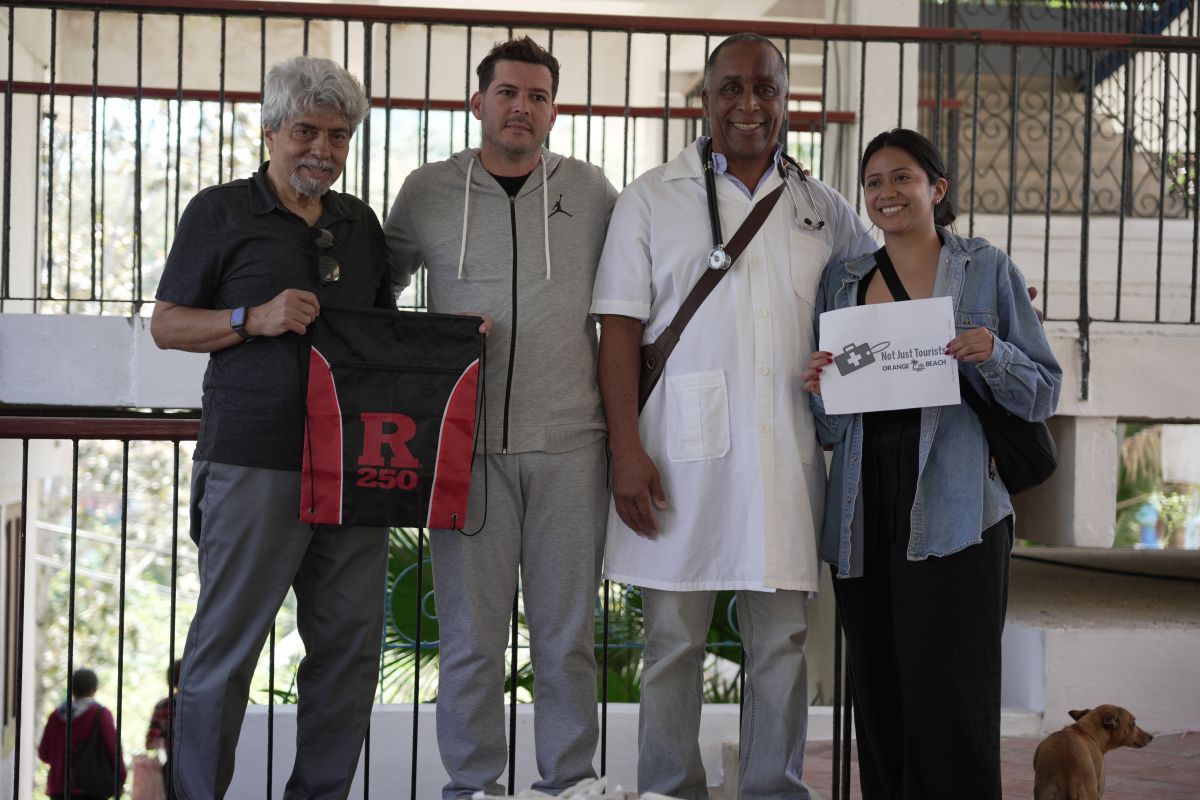
Rutgers Law School expanded its human rights and international law offerings this spring through its annual travel course to Cuba, where students explored the country’s legal system while engaging directly with attorneys, law students, activists and community organizations. Led by Clinical Professor Charles Auffant, the program examines Cuban law, history and society through firsthand experiences and discussions with legal professionals. Students also delivered nearly 30 suitcases of donated school supplies, medical supplies and other essential items to schools, clinics and community organizations, making this year’s trip the largest humanitarian effort in the program’s history. By combining comparative legal study with community engagement, the program helps students better understand the role of lawyers in advancing human rights across cultures.
New York Law School students studying human rights and international law will learn from Professor Ruti Teitel, who published a new book this year examining how U.S. presidents have shaped transitional justice and reconciliation following political violence around the world. Teitel, co-director of the Center for International Law and director of the Institute for Global Law, Justice and Policy, is widely recognized as a leading scholar in transitional justice, a field she helped define. Her latest work has sparked discussions at universities and conferences around the world, giving students the opportunity to learn from a scholar whose research continues to influence international law and human rights policy.
Methodology
preLaw magazine grades law schools based on the breadth of their curricular offerings. Scores are weighted as follows: 30% for a concentration, 24% for a clinic, 12% for a center, 12% for an externship, 9% for a journal, 8% for a student group, 5% for a certificate and added value for additional offerings.
Want to see more rankings? Click here to explore all law school rankings!
