

Criminal law requires more than an understanding of cases, statutes and constitutional rights. Future lawyers must learn how to advocate for clients, navigate high-stakes proceedings and understand the human consequences of the criminal legal system.
Law schools are increasingly giving students opportunities to develop those skills well before graduation. Through criminal defense and prosecution clinics, appellate work, courtroom observation, policy advocacy and direct representation, students are encountering the realities of criminal practice alongside their coursework.
These experiences expose students to different sides of the system while helping them develop the judgment, advocacy skills and perspective they will need to represent clients and pursue careers in criminal law.
The following law schools earned a place on our Criminal Law Honor Roll, recognized for the strength of their programs. Following the list, you’ll find the latest developments and news from criminal law programs at these various law schools.
Top law schools for criminal law
University of Connecticut School of Law’s Defense Appellate Clinic gives students hands-on experience representing clients in serious criminal appeals, including cases before the Connecticut Supreme Court. In State v. Sellers, two students worked alongside clinic professors on the appeal of a client serving a 50-year sentence for murder, with one student presenting part of the oral argument before the state’s highest court. The court ultimately reversed the murder conviction, finding that the trial court improperly admitted scientific evidence without first allowing the defense to challenge its reliability. The decision marked the clinic’s fourth victory in five resolved cases and its second reversal of a murder conviction, giving students experience researching, developing and presenting appellate arguments in high-stakes criminal cases.
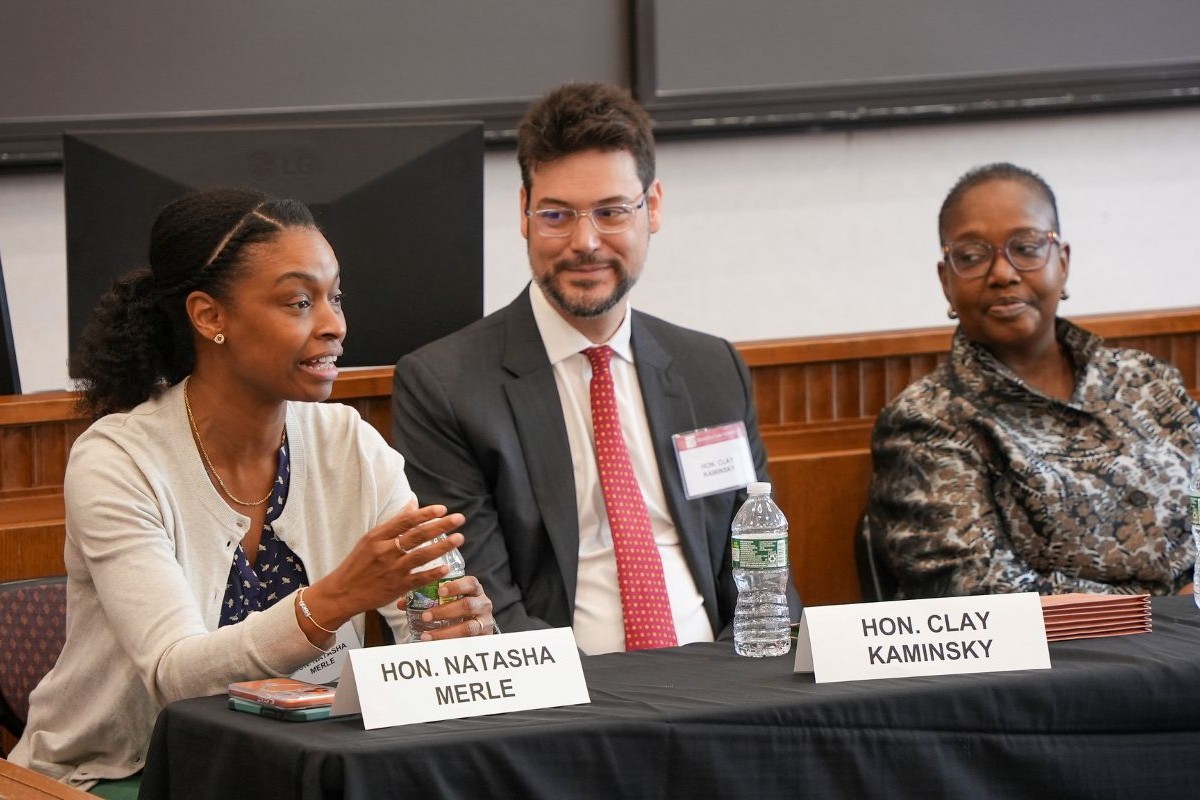
Brooklyn Law School gives students opportunities to explore the criminal legal system through clinics, interaction with judges and exposure to people directly affected by the system. In April, the school hosted two dozen judges from the U.S. District Court for the Eastern District of New York for a day of classroom visits, discussions and networking, including a panel on the federal criminal legal system. Its Criminal Defense & Advocacy Clinic focuses on survivors of domestic violence who have faced arrest, prosecution and incarceration, with students pursuing resentencing under New York’s Domestic Violence Survivors Justice Act. Through its Rethinking Justice program, people with firsthand experience of the legal system participate in criminal law courses.
University of Wisconsin Law School’s Frank J. Remington Center, founded more than 50 years ago as one of the nation’s early clinical programs, gives students hands-on experience through prison-based clinics and public defender and prosecution programs. Its newest offering, the Criminal Defense & Youth Advocacy Clinic, allows students to represent clients directly and participate in strategic litigation and research addressing mass incarceration, with a particular focus on people convicted as minors. Other opportunities include the Wisconsin Innocence Project, Criminal Appeals Project, Federal Appeals Project, Second Look Clinic and Legal Assistance to Incarcerated People. Faculty also examines the broader effects of the criminal legal system through scholarship and programs such as the 2025 Wisconsin Law Review symposium, “The Shadow Carceral State,” which explored how systems of punishment and surveillance extend beyond criminal courts.
Drake University Law School’s First-Year Trial Practicum introduces students to criminal litigation early by giving all 1Ls the opportunity to observe a real trial from jury selection through the verdict in an on-campus courtroom. In spring 2026, students watched an attempted murder trial that also demonstrated how quickly Drake Law School students can progress from observers to participants. Claudia Hall, who had watched the practicum as a 1L the previous year, returned as a 2L working with the Polk County Attorney’s Office. She helped prepare witnesses and evidence, delivered the opening statement, conducted direct examinations and wrote and presented the closing argument.
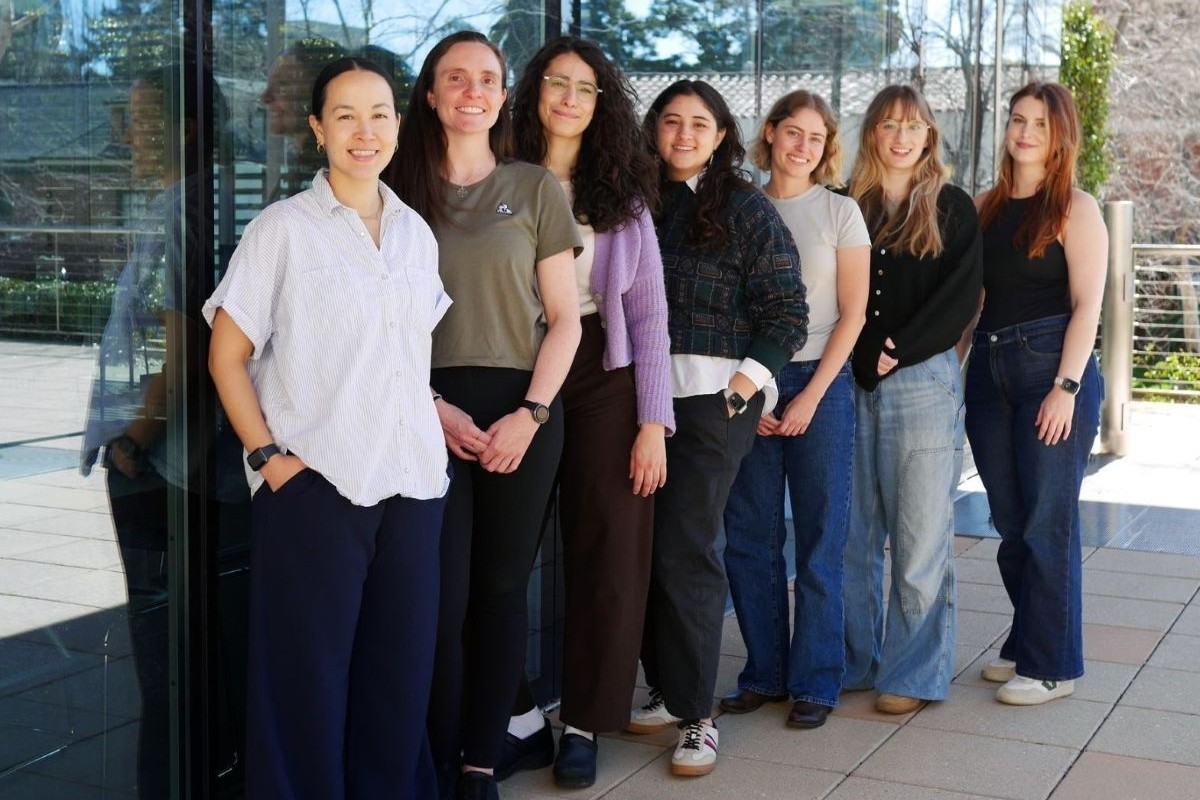
University of California, Berkeley, School of Law’s Policy Advocacy Clinic gives students experience using research and policy advocacy to examine issues within the criminal legal system. For its recent “No Time to Wait” report, students and supervisors partnered with the California Coalition for Women Prisoners and currently and formerly incarcerated elders to examine California’s aging prison population. The project explored the human and financial consequences of incarcerating older people in women’s prisons and the policies that contributed to long sentences and continued incarceration. Students worked directly with people affected by those policies, combining their experiences with research and analysis to advocate for the release of incarcerated elders and develop recommendations for addressing the state’s growing population of older prisoners.
Methodology
preLaw magazine grades law schools based on the breadth of their curricular offerings. Scores are weighted as follows: 30% for a concentration, 24% for a clinic, 12% for a center, 12% for an externship, 9% for a journal, 8% for a student group, 5% for a certificate and added value for additional offerings.
Want to see more rankings? Click here to explore all law school rankings!
