
Partnerships and connections abroad play an important role for U.S. law schools and their LL.M. programs.
I learned that firsthand over the past two and a half years in China for St. John’s Law. I built a great career around that experience, turning one month in Beijing through a faculty exchange into a lifechanging 31-month experience in 2016-2018.
Over my career, I saw the differences strong partnerships and alumni bases abroad create in terms of recruiting the next batch of LL.M.s, strong alumni engagement, post-LL.M. hiring opportunities and more.
U.S. law schools with robust alumni and partner networks abroad will need to rely on them more than ever in Trump 2.0. The paths to long-term life in the U.S. post-LL.M. is becoming riskier for F-1 students. Foreign students notice rising tuition costs, especially when thinking about their home currencies. There is more of an understanding and more of a spotlight on the differences between J.D.s and LL.M.s. More competition to attract tuition-paying students into revenue-generating LL.M. programs means more of a buyer’s market, especially for LL.M.s willing to spend $50,000 to $80,000 USD on tuition.
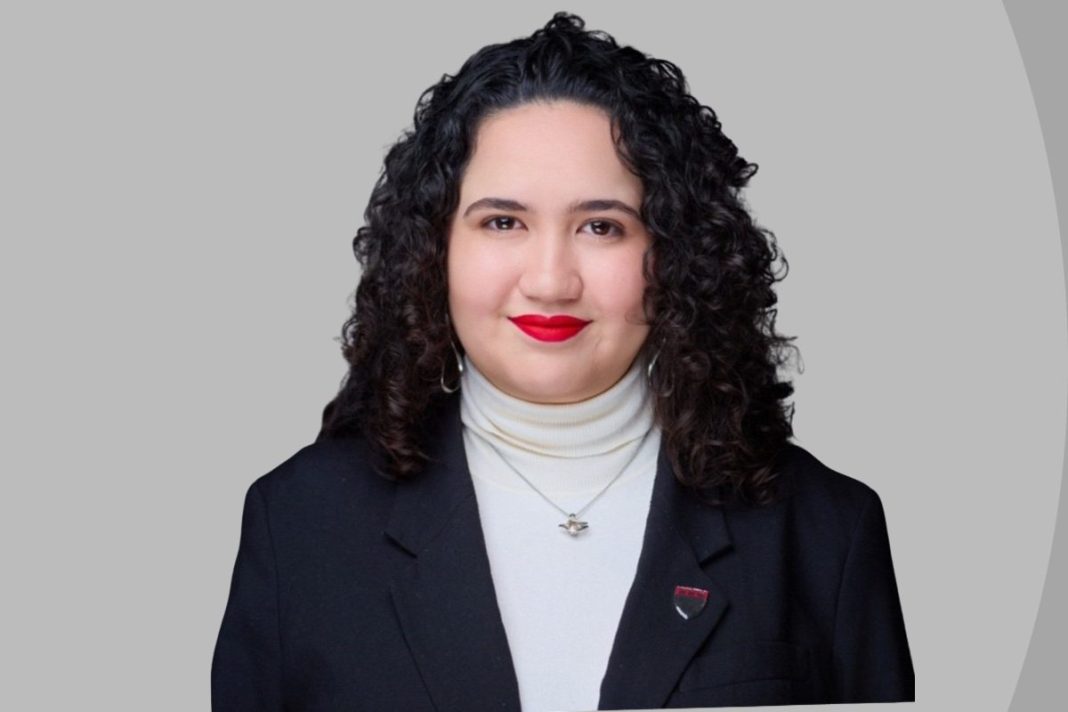
For this part of the LL.M. 3.0 series, I spoke with Isabella Leal Aguilar. In addition to being a 2024-25 LL.M. who experienced two presidential administrations between orientation and graduation, she also is now working for a law school in Mexico.
Her firsthand insights provide perspective on what U.S. law schools can do to continue welcoming strong students from Mexico and around the world in the LL.M. 3.0 era.
You recently completed your LL.M. at Harvard Law School. How would you sum up the experience and the most valuable part of the year?
My LL.M. year at Harvard was both more humane and more transformative than I ever expected. I arrived thinking it would be intense, competitive, perhaps even intimidating. Instead, I found a community of people who were deeply curious about each other’s stories, legal systems and lived experiences. We were all specialists in our own niches, which meant there was no need for toxic competition, only genuine interest.
In addition to the connections I formed through the Human Rights Diaries, I believe some of the most meaningful moments happened in the places where life unfolds quietly, late nights at the library, “eureka” mid-research moments, exposure to leaders in the legal field and getting to meet and talk with professionals who I had only ever perceived of existing in an academic context. That shift changed the trajectory of my academic and professional life.
You chose to return to Mexico after the LL.M. What was your thought process when making that post-LL.M. decision? Did ideas of “success” or “failure” play any role?
This is a constant question from peers, friends and family. I don’t associate “success” with staying in the U.S. nor “failure” with returning home.
Because I attended Harvard as a Fulbright Scholar, my visa was a J-1, which carries a two-year home-country requirement.
Honestly, I have always believed global education to be worthwhile even when applied locally. Many of the world’s most impactful lawyers studied abroad and returned to serve their communities.
For me, coming back opened doors I never expected. I am now a professor at the Facultad Libre de Derecho de Monterrey and one of the Henigson Human Rights Fellow, working with Casanicolás on migrant protection issues in northern Mexico. I feel aligned with my purpose here.
Opportunities are not exclusive to one country; they exist wherever your skills meet the needs of a community. And right now, my community is here.
You are now working with law students in an academic position. How do you understand their needs and goals differently after the last 18–24 months?
The LL.M. year made me deeply aware of how much paperwork, cost and emotional pressure sits behind these dreams. Students often think the process is linear or glamorous. It isn’t.
Visas limit work opportunities, savings evaporate quickly when converted from pesos to dollars (my case) and the financial stress becomes very real very fast.
Many students are genuinely shocked when I tell them that they can, and should, negotiate scholarships. They have no idea that this is normal practice, that external funding exists, and that the process is more flexible than they imagine.
One lesson I constantly repeat, one that Harvard taught me, is that every successful lawyer is just a human being who tried, failed, tried again and kept going. Many students self-reject long before an admissions committee ever has the chance to consider them. They believe they don’t have the skills, grade, profile, etc. I even believed so myself when first applying.
What advice are you giving Mexican law students and junior lawyers who are considering a U.S. LL.M.? Is now a good time to pursue one?
My biggest encouragement is to approach the U.S. as a visitor, with curiosity rather than comparison. In Mexico we sometimes use the word malinchista to describe the impulse to dismiss our own systems and glorify others. You learn much more when you engage in good faith, acknowledging strengths and weaknesses on all sides.
As for timing, ironically, challenging moments often create interesting opportunities. It’s true that political uncertainty, visa issues and rising costs make the U.S. less attractive to many international students right now. But this also means less competition, more space for international voices and a chance to learn about the U.S. legal system during a period of institutional transition, which, from a purely academic point of view, I find to be incredibly interesting.
The misconception I try to correct early is that the LL.M. is a sabbatical or a year to “figure yourself out.” So many young professionals see it as going back to the leisurely life of a student. The year moves too fast for that. You need a strategy before you even arrive. The LL.M. is an investment; your plan matters more than you think.
Working in academia, what should U.S. law schools be paying attention to in other jurisdictions if they want to continue attracting students like you and the students you teach?
International students today care deeply about their return on investment and transparency of the programs. The LL.M. is expensive, especially when your home currency is weak against the U.S. dollar and when loan systems are not built with international repayment realities in mind. Students also want clarity.
For example:
- Which clinics accept LL.M.s?
- How many seats?
- Which opportunities are J.D.-exclusive?
- What percentage of LL.M.s stay in the U.S. for OPT? In which sectors? How many return home?
- Do they develop their lives in the U.S. after the OPT time or do they return home after that one-year professional experience period?
- What’s the average earning rate upon completion of the program?
- What are the bar passing rates?
- What services, mechanisms or support systems in topics regarding migration, specifically in today’s context, do they offer as visa sponsors?
Schools that are upfront about these realities will earn the trust of international applicants.
What do U.S. law schools do well in LL.M. programs for foreign-trained lawyers? And what could they improve?
U.S. law schools excel at building intellectual communities, offering interdisciplinary freedom, and integrating clinical experience into legal training. Programs like the International Human Rights Clinic at Harvard genuinely change lives. They give foreign students tangible experience through real cases with international impact. The alumni networks are exceptional, and the sense of belonging stays with you long after graduation.
Where schools can improve is in the area of structural support for international students. International students need proactive and empathetic allies in the Office of International Education of their institutions, people who understand that a small delay in paperwork can determine whether a student can legally work, stay, or even graduate.
Schools should also invest more in post-LL.M. career guidance specifically tailored to international markets. Not every LL.M. wants to, or can afford to, stay in the U.S. Paths back home should be treated with equal legitimacy and support as professional opportunities are in the U.S.
Is there anything else you’d like to highlight that we didn’t cover?
Your career is not defined by a single geography, topic, or experience, and returning home after an LL.M. is not necessarily the defeat that many perceive.
Success is not measured by the country you remain in, but by the purpose you follow and the communities you serve.
The LL.M. gave me tools, friendships, and clarity, but returning to Mexico has allowed me to build something meaningful, helping teach the next generation of lawyers, working on human rights issues, contributing to the legal debates shaping my country, and further continue developing my professional career path strengthening and growing my own local networks as both a mentee and a mentor.
Professional growth doesn’t have a single path. Sometimes going back home, reconnecting, and rebuilding, is the path.
Note: This interview has been edited for length and clarity.
