

The Mid-Atlantic is one of the most dynamic places in the country to study law. From the energy of Washington, D.C., Philadelphia and Pittsburgh to the fast-growing legal markets in Virginia and North Carolina, students in this region are surrounded by opportunities.
Courts, government agencies, law firms, nonprofits and major companies all play a role in shaping the legal landscape here, giving future lawyers a front row seat to real-world practice.
This guide offers a snapshot of law schools across the Mid-Atlantic and nearby states, helping you see what makes each one unique and how it fits into the broader legal community.
Here’s a look at law schools located in the Philadelphia region; Pennsylvania; Maryland; Washington, D.C.; Virginia; and North Carolina.
Eastern Pennsylvania
Penn State Dickinson Law is the oldest law school in Pennsylvania and one of the oldest in the nation. The law school has locations in Carlisle and University Park. Both locations offer experiential, social and cross-disciplinary opportunities with small class cohorts. Strengths: Family Law, Government Law
Widener University Commonwealth Law School
Widener Law Commonwealth is in Harrisburg, the capital of Pennsylvania. The school emphasizes experiential learning for practice-ready graduates. The school provides ways for students to work with pro bono attorneys through noncredit, hands-on programs. Strengths: Government Law
Philadelphia Region
Drexel University Thomas R. Kline School of Law
Drexel Kline School of Law was founded in 2006. Its small size allows for much interaction between faculty and students. It is one of only two schools in the nation to offer a co-op program, which places students in practical training settings for up to a year. Strengths: Practical Training, Trial Advocacy
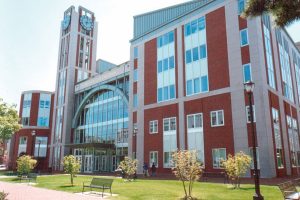
Rutgers operates two campuses, one just across the bridge from Philadelphia in Camden, New Jersey, and the other in Newark, New Jersey. However, they function as one law school. Its admissions process allows students to choose whether their applications will be evaluated on a numerical basis, such as LSAT scores and GPAs, or based on their life experiences. Strengths: International Law, Business Law
Temple University – James E. Beasley School of Law
Temple University is a public school in the heart of Philadelphia. Temple Law has a high minority enrollment. The school has strong ties with the Philadelphia public interest legal community, and many students go into public interest work. Strengths: Trial Advocacy, Best Value
University of Pennsylvania Carey Law School
Penn Carey Law has the most prestigious law school in the Philadelphia region. Its focus on inter-disciplinary studies includes the opportunity for students to take up to 12 semester hours in courses outside the law school that count toward their law degrees. Penn Carey Law offers more than 30 joint-degree programs for a cross-disciplinary approach to legal education. Strengths: Government Law, Business Law
Villanova University Charles Widger School of Law
Villanova Law focuses on training ethical lawyers and leaders of tomorrow who are committed to making a difference in their communities. Located 20 minutes from downtown Philadelphia, Villanova offers a program infused with business principles, professional skills and practical experience. Strengths: Intellectual Property Law, Entertainment Law, Best Value
Widener University Delaware Law School
Delaware Law is situated along Delaware’s northeast corridor, less than 30 miles south of Philadelphia. The law school is five miles from downtown Wilmington, America’s “corporate capital,” making it a prime place to focus on corporate and business law, intellectual property law and business bankruptcy law. As the only law school in the state, it is a critical part of Delaware’s legal infrastructure. Strengths: Flexibility, Breadth of Legal Specialties
Washington, D.C., region
American University Washington College of Law
American University features five courtrooms, light-filled classrooms and state-of-the-art technology on its 8.5 acre, LEED Gold certified law campus. Located in Northwest, Washington, D.C., the school provides direct access to the heart of the nation’s capital, allowing students to complete hundreds of externships and internships each year. Strengths: Trial Advocacy, Human Rights Law
Antonin Scalia Law School at George Mason University
Located across the river from Washington in Arlington, Virginia, George Mason University offers concentrations ranging from antitrust law to immigration law to sports law. But it is best known for its strong focus on economic and quantitative methods as they apply to law, supported by its internationally known Law & Economics Center. Strengths: Intellectual Property Law, Government Law
Catholic University of America, Columbus School of Law
For Catholic University, located just two miles north of Capitol Hill, religion is a centerpiece of its mission to educate future lawyers. And service is where many of its lawyers migrate. The law school annually places students in all types of legal positions throughout the D.C. area. The externship program gives students an opportunity to experience many types of law. Strengths: Government Law
Georgetown University Law Center
Georgetown University Law Center is best known for its Washington, D.C., location and its status as one of the nation’s largest law schools. Situated just steps from the U.S. Capitol and the Supreme Court, the school offers direct access to the institutions that create, interpret and enforce federal law. Georgetown Law is recognized for its 17 legal clinics. Strengths: Intellectual Property Law, International Law
Howard University School of Law
Howard University is the nation’s most renowned historically Black law school. Its graduates include many well-known Black lawyers, including Thurgood Marshall. It has five clinics, two externship programs and four centers. Its civil rights center focuses on the school’s mission of producing lawyers who are public servants dedicated to their communities. Strengths: Law Firm Employment
The George Washington University Law School
George Washington University focuses on providing students with real practice skills. Networking and mentoring are also keys to helping students hit the ground running upon graduation. Equally important, GW Law offers a strong culture of service. The Class of 2025 volunteered 73,883 pro bono hours to legal assistance projects. Strengths: Environmental Law, Business Law, Human Rights Law
University of the District of Columbia David A. Clarke School of Law
UDC Law is a public, mission-driven law school best known for its deep commitment to public interest law, clinical training and expanding access to the legal profession. For students who want a hands on, service-oriented legal education, UDC Law stands out as one of the most practice focused schools in the country. Strengths: Trial Advocacy, Government Law
Maryland
University of Maryland Francis King Carey School of Law
Located in the heart of Baltimore, Maryland Carey Law offers a mix of clinics, externships and simulation courses. The school is nationally recognized for its health care law program. It is also a top school in several other practice areas, including environmental law, intellectual property, trial advocacy, alternative dispute resolution, business and criminal law. Strengths: Alternative Dispute Resolution Law, Environmental Law, Health Law
University of Baltimore School of Law
University of Baltimore School of Law is known for its nationally recognized, skills-based experiential education. The school’s Bob Parsons Veterans Advocacy Clinic provides hands-on representation for veterans in benefits, discharge upgrades and other service-related legal matters. The clinical offerings allow students to develop practical lawyering skills through direct client representation, legislative advocacy and community based projects. Strengths: Tax Law, Criminal Law, Family Law
Virginia
Appalachian School of Law is in Grundy, which is in western Virginia. That makes the school easily accessible to students from Kentucky, West Virginia and eastern Tennessee, and helps it achieve its mission of training lawyers to work in Appalachia. The school prides itself on creating a close-knit environment, where everyone is invested in helping students succeed in school, pass the bar and land a legal job. Practical training is also a key part of the school’s mission. Strengths: Practical Training
Liberty University School of Law
Liberty Law strives to provide a high-quality education by integrating traditional law courses with practical skills — all from a biblical view. The campus in Lynchburg, Virginia, provides a close knit environment with small class sizes and strong faculty mentorship. Graduates pursue careers in litigation, public service, government and private practice, often highlighting the school’s supportive community and rigorous advocacy training. Strengths: Practical Training
 Regent University School of Law
Regent Law, located in Virginia Beach, Virginia, offers a faith-centered, practice-oriented legal education. The American Bar Association currently ranks the law school No. 7 in the nation in judicial clerkships. The law school offers a range of clinics and externships that allow students to work with courts, government agencies, nonprofits and legal aid organizations. Strengths: Best Value, Human Rights Law, Government Law, Criminal Law
University of Richmond School of Law
Richmond Law, a private school, emphasizes practical experience through its summer programs and guarantees stipends for students working in government or nonprofit positions. The school has a strong reputation within Virginia’s legal community and maintains deep connections with judges and practitioners across the state. Strengths: Intellectual Property Law
University of Virginia School of Law
UVA Law is one of the most prestigious and oldest law schools in the nation. Founded by Thomas Jefferson, the public school is known for its outstanding faculty and quality of life. The Charlottesville-based school excels with outcomes across private practice, clerkships and public service. Students can choose from more than 275 courses and 24 clinics. Strengths: Environmental Law, Human Rights Law
Washington and Lee University School of Law
Washington and Lee University School of Law in Lexington, Virginia, offers a third-year curriculum centered on practice-based learning. Students engage in advanced legal simulations, real client representation and in-depth study of legal ethics and professionalism across a wide range of practice areas. The school provides six legal clinics and numerous externships with law firms, government offices, corporations, courts and international organizations. Strengths: International Law, Best Value, Law Firm Employment
William & Mary Law School in Williamsburg, Virginia, is the nation’s oldest law school, founded in 1779. The school emphasizes practical training through its Legal Practice Program, nine legal clinics, an extensive externship program and a one-year post graduate fellowship program. Students gain hands-on experience across a wide range of practice areas. Strengths: Best Value, Business Law
North Carolina
Campbell University, Norman Adrian Wiggins School of Law
Campbell Law, a small private school in Raleigh, North Carolina, is best known for its strong bar exam performance. In addition to its signature Advocacy Track, the school offers expanding opportunities in intellectual property and innovation law. Campbell provides eight dual degree programs that allow students to combine a J.D. with a master’s degree. Located in downtown Raleigh, the school gives students direct access to courts, government agencies and major legal employers, creating extensive opportunities for externships and networking. Strengths: Practical Training
Duke Law is the most prestigious law school in the Carolinas and one of the most highly regarded law schools in the nation. The Durham, North Carolina, school offers a wide range of dual degree programs that allow students to specialize in areas such as entrepreneurship, environmental management, international and comparative law and global business. Duke publishes nine legal journals and operates nine clinics, giving students hands on experience in fields such as appellate litigation, environmental law and community enterprise. Strengths: Environmental Law
Elon Law, located in downtown Greensboro, North Carolina, is one of the nation’s youngest law schools. Established in 2006, it integrates traditional classroom instruction with course-connected, full-time residencies in practice. This curriculum allows students to graduate in two and a half years. Students complete their degree in seven trimesters through a combination of doctrinal courses, simulation courses, criminal law labs, residency placements, electives and required bar exam foundation courses. Strengths: Practical Training
High Point University Kenneth F. Kahn School of Law
Kahn School of Law, located in High Point, North Carolina, is one of the newest law schools, opening its doors in 2024. Designed from the ground up for the modern legal marketplace, the school emphasizes experiential learning, professional development and close faculty mentorship from day one. Strengths: Experiential Learning
North Carolina Central University School of Law
North Carolina Central University School of Law is a historically Black law school in Durham, North Carolina. The school emphasizes practical, practice-ready training that prepares graduates to meet the needs of today’s legal marketplace. Its clinical legal education program is designed to serve communities traditionally underserved by the legal profession, reflecting NCCU Law’s longstanding commitment to social justice and community advocacy. Strengths: Diversity
 University of North Carolina School of Law
Carolina Law provides extensive practical training through a wide range of experiential opportunities. The Chapel Hill, North Carolina, school offers more than 100 externships, nine clinical programs, five journals and more than 50 student organizations. Students gain hands on experience across areas such as civil legal assistance, criminal defense, entrepreneurship, environmental law and community development. Strengths: Best Value, Human Rights Law, Law Firm Employment
Wake Forest University School of Law
Located in Winston Salem, North Carolina, Wake Forest Law takes a student-centered approach to legal education, emphasizing close faculty mentorship and a collaborative learning environment. The school focuses on legal doctrine, ethics and professional responsibility. Wake Forest offers several school run clinics, three student run law journals and a wide range of experiential opportunities. Strengths: Law Firm Employment, Business Law, Best Value
Have you visited our law school directory? Explore and compare law schools across the nation to learn about admissions and more.
