

Environmental law continues to expand as governments, businesses and communities grapple with issues tied to climate change, energy development, land use and conservation. For students interested in the field, law schools increasingly offer clinics, specialized coursework and certificate programs that provide both policy insight and real-world legal experience.
The programs highlighted here show how environmental law education is evolving, giving students opportunities to work on litigation, draft policy proposals, support conservation efforts and contribute to solutions for environmental challenges.
The following law schools earned a place on our Environmental Law Honor Roll, recognized for the strength of their programs. Following the list, you’ll find the latest developments and news from environmental law programs at these various law schools.
Top law schools for environmental law
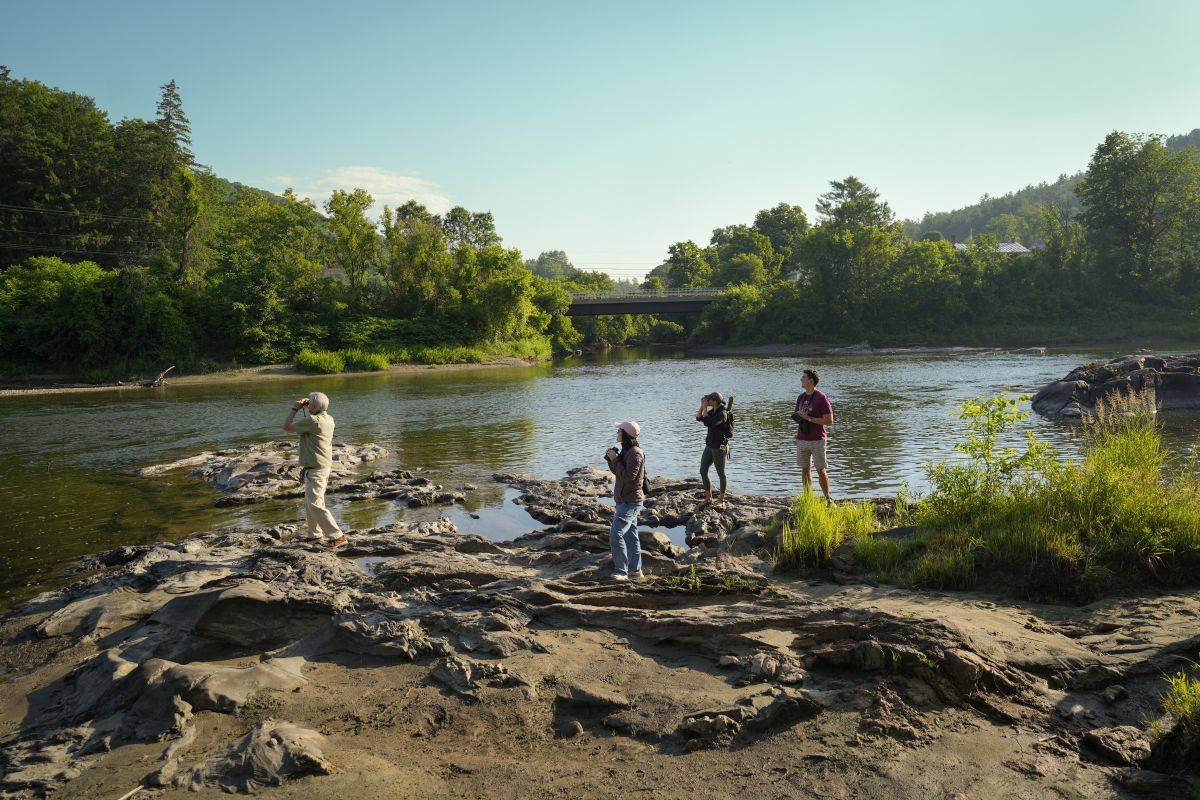
Vermont Law and Graduate School’s Environmental Law Center’s Summer Session brings together students and scholars to study environmental law in Vermont. Open to VLGS students and visiting students, the program offers courses across specialties such as energy, water, land use and international environmental law. Courses include Environmental Justice, Biodiversity Protection and Renewable Energy Project Finance. Field study options, such as Agriculture and the Environment, take place on a working farm, where students examine how legal frameworks shape food production, sustainability and farm resilience.
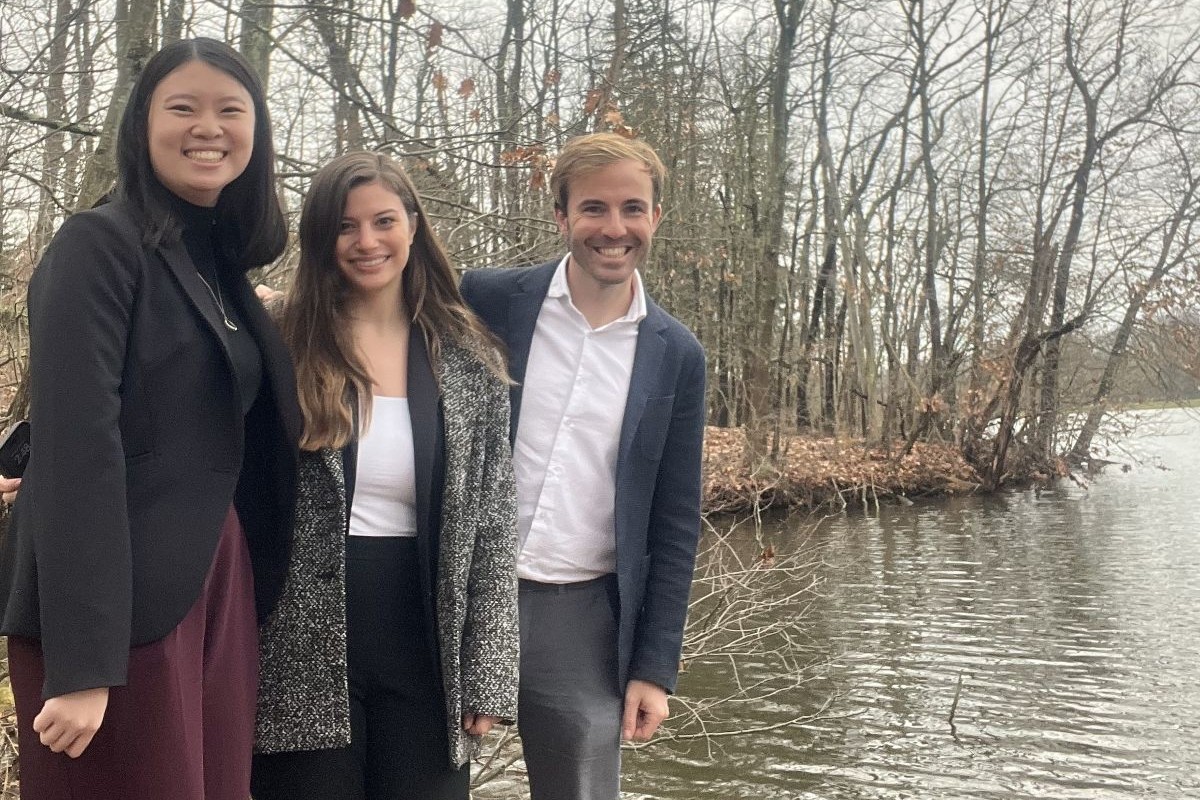
Roger Williams University School of Law launched its Coastal Resilience Law and Policy Clinic in 2023 and is expanding the program this summer to include students from other law schools. The clinic provides hands-on experience working with local and state government agencies on coastal resilience initiatives, exposing students to land use planning, municipal, state and federal law, environmental policy, research and legal writing. Students collaborate with stakeholders on real-world issues and produce professional reports or policy analyses, with opportunities to present their work in professional settings.
Elisabeth Haub School of Law at Pace University sent a delegation of faculty, students and alumni to the International Union for Conservation of Nature World Conservation Congress in Abu Dhabi in October 2025, where 10 policy motions they helped draft were officially adopted. The team spent two years researching, writing and building international support for the measures, which address issues including illegal fishing, protection of Indigenous languages, biodiversity conservation, restoration of native grasslands and soil security.
University of Pittsburgh School of Law is using its Environmental Law and Policy Clinic to help put Pennsylvania’s Environmental Rights Amendment into practice across a range of cases. Students work on litigation and policy matters tied to the state’s constitutional environmental protections and have begun representing pro bono clients before the Pennsylvania Environmental Hearing Board, a trial-like forum where pro se litigants often struggle with complex procedures and expert testimony. The clinic also operates a climate policy team that contributes to local and state initiatives, including county climate action planning, zoning research, public utility policy work and green stormwater infrastructure strategies.
West Virginia University College of Law’s Land Use and Sustainable Development Clinic works throughout West Virginia to protect water quality, wetlands, forests, farmland and open space in partnership with organizations such as the West Virginia Land Trust and the U.S. Department of Agriculture’s Natural Resources Conservation Service. Students gain hands-on transactional experience by drafting option agreements and purchase contracts, deeds, rights-of-way, conservation easements and other legal instruments that support land conservation.
Lewis & Clark Law School is expanding hands-on global advocacy through its Global Law Alliance for Animals and the Environment, a program that allows students to work directly with international partners on wildlife protection, climate policy and ocean conservation issues. Students take lead roles on real legal projects, drafting policy briefs, advising nonprofit organizations and contributing to efforts such as briefing U.S. officials ahead of international plastics treaty negotiations. The experience gives aspiring environmental and animal law attorneys practical training while advancing legal strategies to protect animals and ecosystems worldwide.
Methodology
preLaw magazine grades law schools based on the breadth of their curricular offerings. Scores are weighted as follows: 30% for a concentration, 24% for a clinic, 12% for a center, 12% for an externship, 9% for a journal, 8% for a student group, 5% for a certificate and added value for additional offerings.
Want to see more rankings? Click here to explore all law school rankings!
